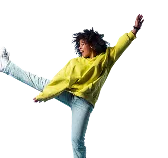
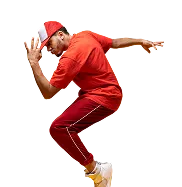
What are five ways dance workshops boost pupils’ wellbeing in primary schools?
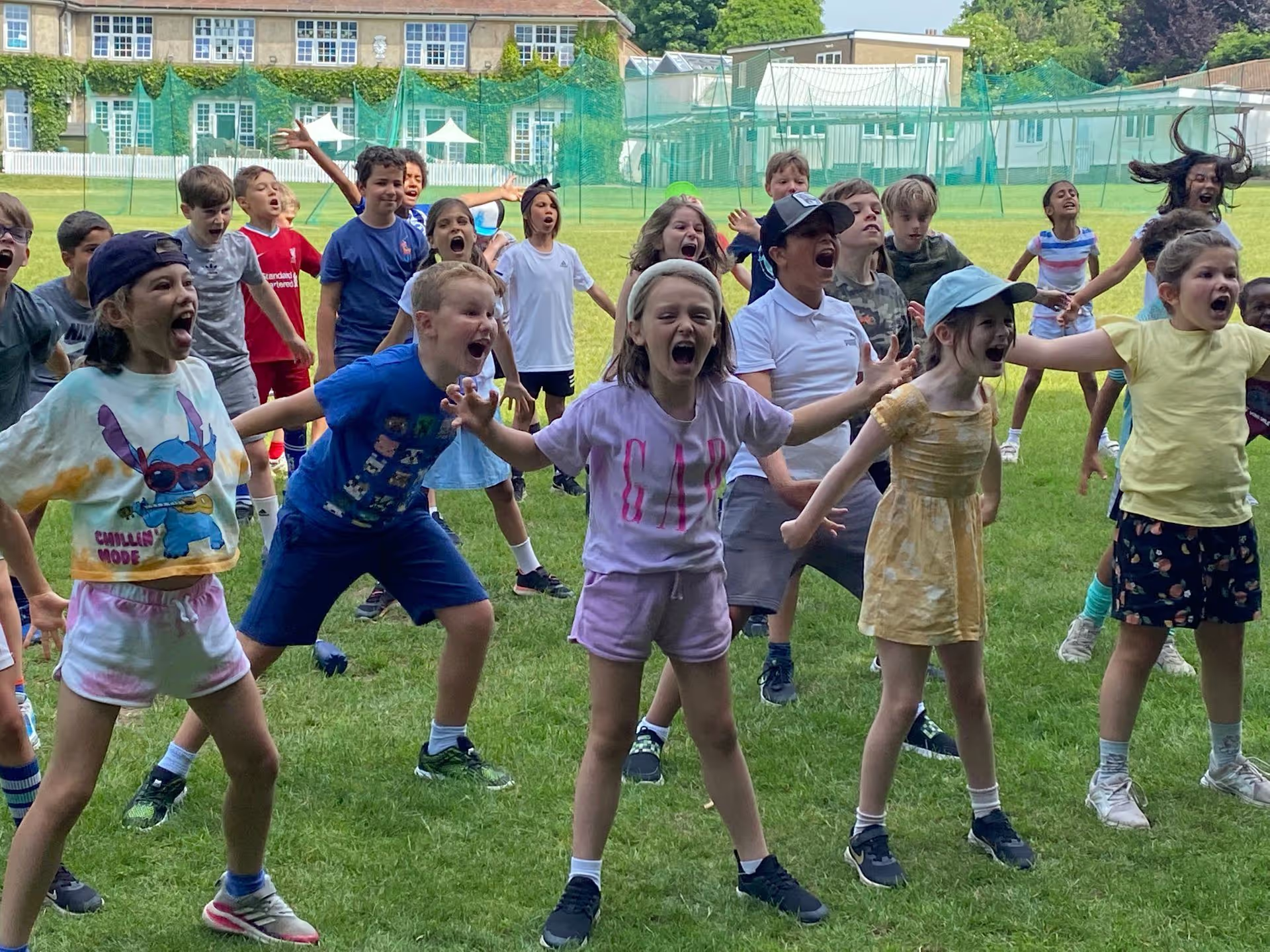
Dance isn’t just a fun break from lessons — it’s a powerful tool for supporting children’s mental, emotional, and physical wellbeing. With UK schools under increasing pressure to deliver wellbeing outcomes alongside academic progress, dance workshops offer a curriculum-friendly solution that combines activity, creativity, and social growth. From stress relief to teamwork, here are five clear ways Dance Days workshops can improve pupil wellbeing in primary schools.
1. Stress relief & mood improvement
Movement releases endorphins, the body’s natural “feel-good” hormones, which help pupils reduce anxiety and lift their mood. A short, active dance session can reset the classroom atmosphere, particularly during exam season or high-pressure weeks.
Practical example in schools:
Imagine pupils returning from break feeling unsettled. A quick 10-minute guided dance warm-up with upbeat music can lower stress, improve focus, and prepare them for learning. By the end, pupils are calmer, more energised, and ready to engage with the lesson.
Teacher tip: End sessions with calming music and gentle stretching to combine both energy release and relaxation, leaving pupils focused and positive.
2. Confidence & communication
Dance naturally develops confidence by encouraging pupils to perform, collaborate, and present ideas through movement. In a safe and supportive setting, even shy pupils find their voice — not always through words, but through expressive movement. This builds essential non-verbal communication skills that transfer to public speaking, drama, and group discussions.
Practical example in schools:
Pupils can work in pairs to create a short routine and share it with their class. This small act of presenting boosts self-belief and shows children that their contributions are valued.
Learning outcome: Over time, children develop trust in themselves, communicate more clearly with peers, and build the confidence needed for wider school life.
3. Emotional expression & regulation
Dance provides a safe, creative outlet for pupils to express emotions they may not yet have the words for. By embodying feelings through movement, children learn to recognise, regulate, and share their emotions in constructive ways. This strengthens emotional literacy and helps prevent frustrations from building up.
Practical example in schools:
A teacher gives the class emotion prompts like “proud”, “nervous”, or “excited.” Pupils create short movements to represent each feeling, then share and reflect on them together. This activity encourages self-awareness and empathy as pupils see how others interpret the same emotions.
Teacher tip: Pair movement with a short reflection exercise — for example, asking pupils to write a sentence about how the movement made them feel. This bridges emotional awareness with literacy skills.
4. Social skills & teamwork
Group choreography and collaborative dance exercises naturally build teamwork, empathy, and listening skills. Children must take turns, respect others’ ideas, and work together to create a finished routine. These skills directly support PSHE and SMSC objectives, as well as classroom harmony.
Practical example in schools:
A class is divided into small groups to create a story through dance — for instance, a journey across a river or a historical timeline. Each pupil contributes ideas, learning cooperation and negotiation.
Learning outcome: Pupils gain stronger peer relationships, practice conflict resolution, and leave with a sense of shared achievement. These experiences often transfer into smoother group work across other subjects.
5. Physical fitness & motor skills
Dance is a whole-body activity that develops stamina, coordination, and motor control while keeping pupils engaged. Unlike traditional PE, which may not appeal to every child, dance is inclusive, creative, and less competitive — making it easier to involve all pupils, including those who are less active.
Practical example in schools:
A rhythm-based warm-up where pupils clap and step in patterns improves coordination and timing, while longer sequences build endurance and cardiovascular health. Younger children benefit from gross motor development, while older pupils refine balance, agility, and precision.
Learning outcome: Dance supports physical development benchmarks in PE and encourages children to enjoy being active, laying the foundation for lifelong healthy habits.
Curriculum & assessment links
Wellbeing is now a central priority for schools, and dance workshops provide inspection-ready evidence across multiple areas of the curriculum.
- PSHE/RSHE: Dance develops self-confidence, resilience, and relationship skills.
- PE: Provides evidence of physical activity, coordination, and inclusion.
- SEND support: Sessions adapt choreography and pacing to ensure every pupil can participate.
- SMSC/Ofsted requirements: Dance enhances cultural understanding, cooperation, and self-expression.
How schools can evidence impact:
- Quick pre/post wellbeing surveys.
- Teacher observational notes during activities.
- Pupil reflections or short journal entries.
- Photos or videos demonstrating engagement and participation.
By collecting this simple evidence, schools can confidently showcase the impact of dance workshops on pupil wellbeing in line with inspection frameworks.
Quick practical tips for teachers (before, during, after a workshop)
Before the workshop:
- Clear a safe space such as the hall or gym.
- Brief pupils on the learning aim (e.g., teamwork, confidence, cultural exploration).
- Carry out a quick risk check for bags, chairs, or obstacles.
During the workshop:
- Scaffold steps to make it inclusive for all abilities.
- Pair or group SEND pupils thoughtfully to provide support.
- Encourage reflection and sharing after each activity.
After the workshop:
- Hold a short class discussion about what pupils learned and how they felt.
- Create a display board with photos or pupil reflections.
- Reinforce learning with a follow-up activity in literacy, PSHE, or PE.
These steps help ensure dance workshops have a lasting impact beyond the session itself.
Evidence & further reading
Dance Days has consistently seen that dance helps reduce anxiety, improve mood, and strengthen communication and social skills. Evidence also shows clear gains in physical development and curriculum enrichment when movement is integrated into school life.
For schools seeking to support inspection outcomes, wellbeing frameworks, or SEND inclusion, dance provides measurable, low-cost, high-impact benefits. Collecting observational notes, simple surveys, and pupil feedback ensures you can evidence impact quickly and effectively.
If you’d like to dive deeper, explore related content on:
How Dance Days supports school wellbeing
At Dance Days, we specialise in workshops designed to boost pupil wellbeing while enriching the curriculum. Our trained instructors tailor sessions to age groups, themes, and SEND requirements.
Whether it’s a one-off wellbeing day, a curriculum-linked session, or a multicultural week, Dance Days provides flexible packages to suit every school.
👉 Contact us today to request a tailored quote or download our one-page wellbeing evidence sheet for school leaders.
Closing summary
Dance workshops are far more than a fun activity — they are a proven, accessible way to improve pupil wellbeing in primary schools. From boosting confidence and teamwork to reducing stress and encouraging emotional expression, dance supports the priorities that teachers, school leaders, and inspectors care about most. With curriculum links to PE, PSHE, and SMSC, and the ability to adapt for SEND pupils, Dance Days workshops provide measurable benefits for every child.
👉 Ready to see the impact in your school? Book a wellbeing-focused dance workshop with Dance Days or request our one-page evidence sheet to share with your leadership team.
Frequently Asked Questions
Can dance really help children with anxiety?
Are dance workshops suitable for SEND pupils?
How long should a wellbeing-focused dance session be?
How do we measure the impact of a dance workshop on wellbeing?
Do teachers need to prepare anything before a workshop?
Book Early - Our diary is open until July 2027!
.webp)